
If you’re ready to swap city streets for sandy shores, your next Pokémon GO adventure awaits with the elusive Wiglett – a quirky, garden eel-inspired Water-type that only surfaces in beach biomes. Discover how to track down this rare Pokémon along coastlines, lakes, and rivers, and learn the secrets to evolving it into the formidable Wugtrio. Grab your Poké Balls and sandals – the hunt for Wiglett is a tide you won’t want to miss!
How to find Wiglett in Pokémon Go
To find Wiglett in Pokémon GO, you need to head to a beach biome, which includes areas near bodies of water such as oceans, lakes, or rivers. Wiglett spawns exclusively in these beach biomes, so visiting coastal areas or places tagged as “natural=beach” or “natural=coastline” on maps will increase your chances of encountering it. Using tools like the in-game radar to spot Wiglett’s silhouette near PokéStops can help, and employing Incense or Lure Modules at these locations can boost spawn rates. Since Wiglett is a rare spawn, saving your Daily Adventure Incense for beach visits and using Pinap Berries to maximize candy from catches is recommended. Once caught, Wiglett can be evolved into Wugtrio with 50 Wiglett Candies.
Wiglett spawns in beach biomes, but understanding what qualifies as a beach biome is where things get a little murky. Players on Reddit have reported Wiglett to also spawn around lakes, but it’s possible that these lakes were just tagged with the beach biome.
It appears that Pokémon Go’s map likely pulls from OpenStreetMap, which does track biomes using surveys, aerial images, and other sources. Some rivers and bodies of water do have the beach tag. You can see what has the beach tag by going on the overpass turbo website and clicking “run” at the top with the beach filter code filled in. (The link we provided should give that to you.) Some players have also noted that Wiglett will show up in a pretty far (300 meter) radius around the beach biome.
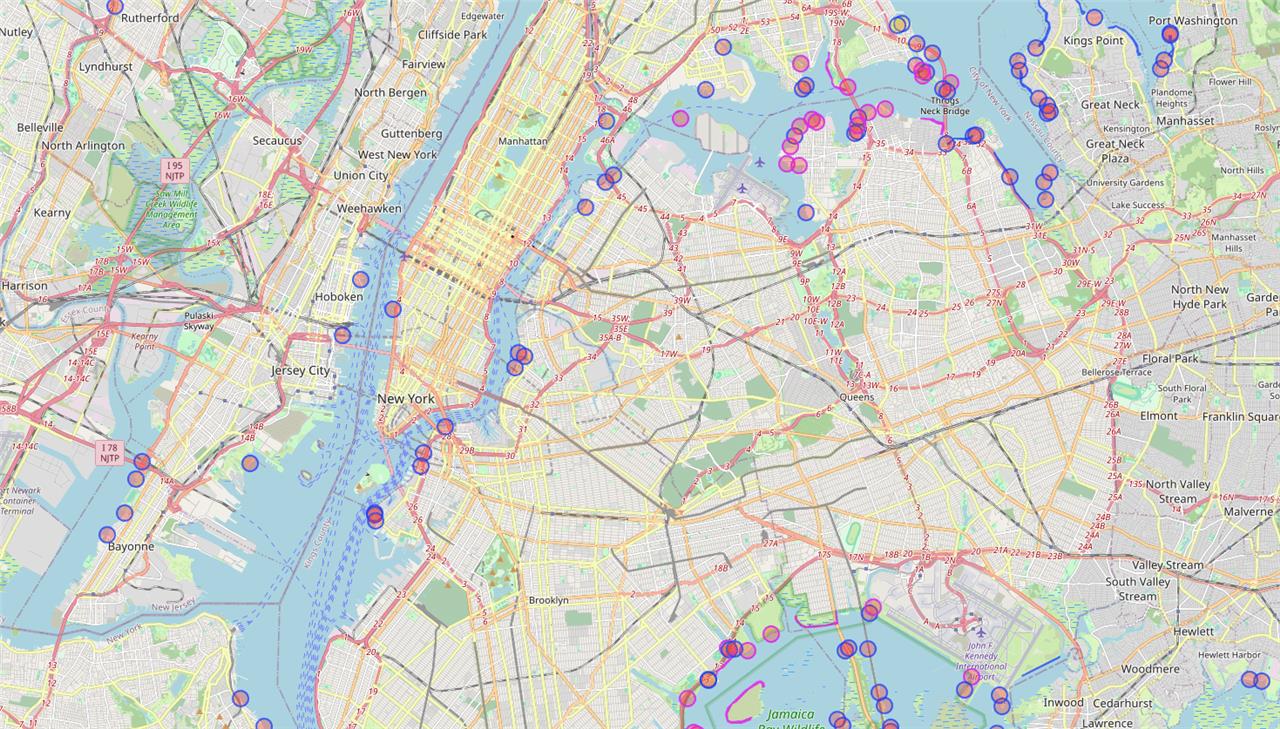
Either way, it’s best to check your radar as you approach bodies of water to see if Wiglett is around. Its long silhouette is unmistakable, so it should be easy to find among any other unseen Pokémon. You’ll also definitely want to keep an eye out if the area you’re in around water has a beachy biome aesthetic, but it also appears you don’t strictly need sand for the beach biome to count, as players on X (formerly Twitter) are discovering:
What’s the secret to spotting Wiglett in beach biomes in Pokémon Go
The secret to spotting Wiglett in Pokémon GO’s beach biomes lies in understanding how the game defines these biomes and using tools to locate them. Wiglett primarily spawns in beach biomes, which include not only ocean coastlines but also sandy areas near lakes, rivers, and bays that the game’s map data classifies as beaches. Players have discovered that some inland locations with sandy banks or golf course sand traps adjacent to water bodies can act as beach biomes, providing rare Wiglett spawns without needing to visit an actual ocean beach.
To increase your chances of finding Wiglett, use the radar in Pokémon GO to spot its distinctive silhouette near water and watch for other Water-type Pokémon like Magikarp or Marill, which indicate you’re in the right biome. Additionally, you can use the OpenStreetMap-based tool Overpass Turbo with the “natural=beach” filter to identify nearby beach biomes, even in unexpected places. This method helps players find local spots classified as beaches where Wiglett might appear, expanding the hunt beyond traditional coastal areas.
In summary, the key is to seek out any sandy or beach-like area near a body of water, use mapping tools to confirm the biome, and rely on in-game radar cues to spot Wiglett’s unique silhouette within roughly a 300-meter radius of these biomes.
What visual cues help me recognize Wiglett among beach Pokémon
Wiglett can be recognized among beach Pokémon by its unique appearance resembling a white garden eel poking out of the sand, with a slender, elongated body and a small, pointed face. In Pokémon GO, when encountered in a beach biome, Wiglett’s silhouette is distinctively long and thin compared to other Water-type Pokémon that spawn there, making it stand out on the radar. The beach biome background in the encounter also features sandy shores and seashells, complementing Wiglett’s natural habitat and helping players visually confirm they are in the right environment for spotting it.
