
Dragon Quest 7 Reimagined offers 52 vocations-choosing the right ones shapes your party’s power from the outset.
How to change vocations in Dragon Quest 7 Reimagined
To change vocations in Dragon Quest 7 Reimagined, you first need to progress the story until you reach Alltrades Abbey in the present timeline and speak with the High Priestess, which grants access to the Career Sphere and the vocation system itself. After that, you can open the Career Sphere from your shortcuts, select a character, choose a new vocation, and confirm the change, which takes effect immediately as long as you are not in the middle of a battle. Once unlocked, vocation changes are available anywhere outside combat, letting you freely respecialize your party while keeping any skills already learned from previous vocations.
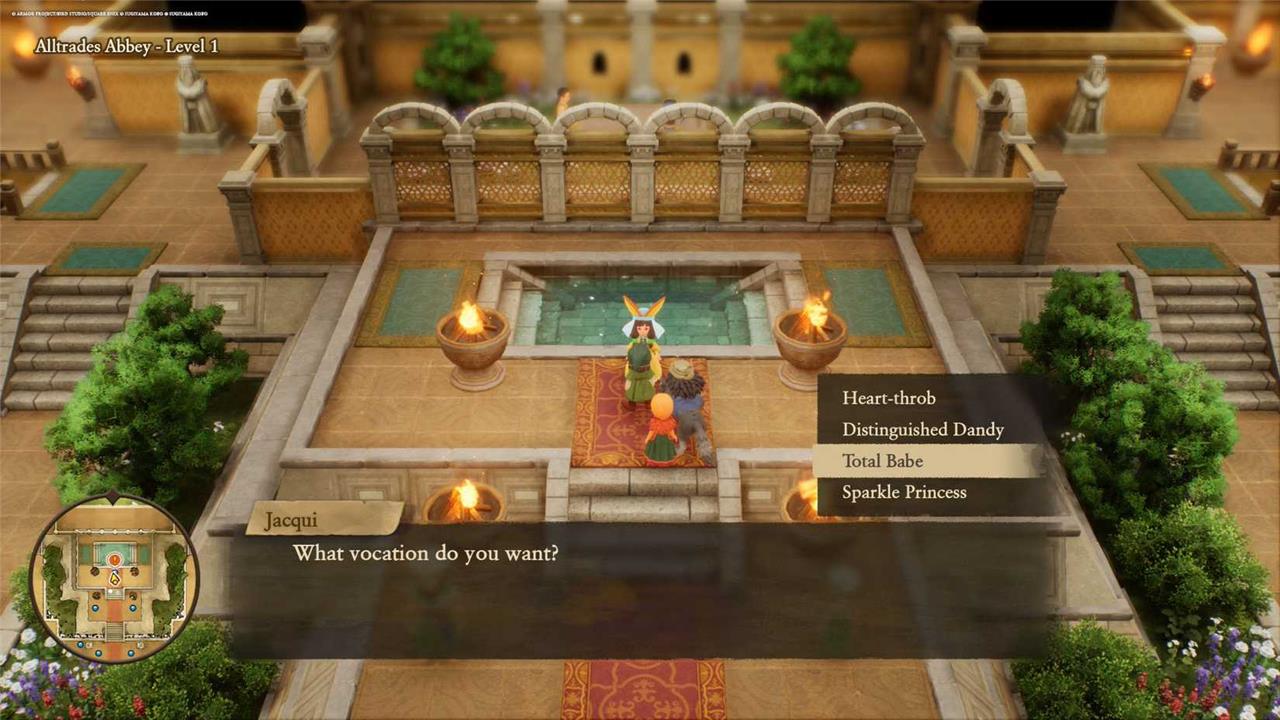
Although the main cast of characters begins the game already having one vocation each, you can only change to a new one by progressing the main quest until you reach Alltrades Abbey in the past – which can easily take more than 15 hours. In this region, there are two main stories, “A Sense of Powerlessness” and “Restoring the Abbey!” During the latter, you unlock the function to change the characters’ vocations by talking to High Priestess Jacqueline.
After completing both quests in the past, you can visit Alltrades Abbey in the present and talk to the High Priestess Jacqui to change vocations. She will also give you the Career Sphere, a key item that lets you talk to her from anywhere in the world (past or present) and change your characters’ vocations.
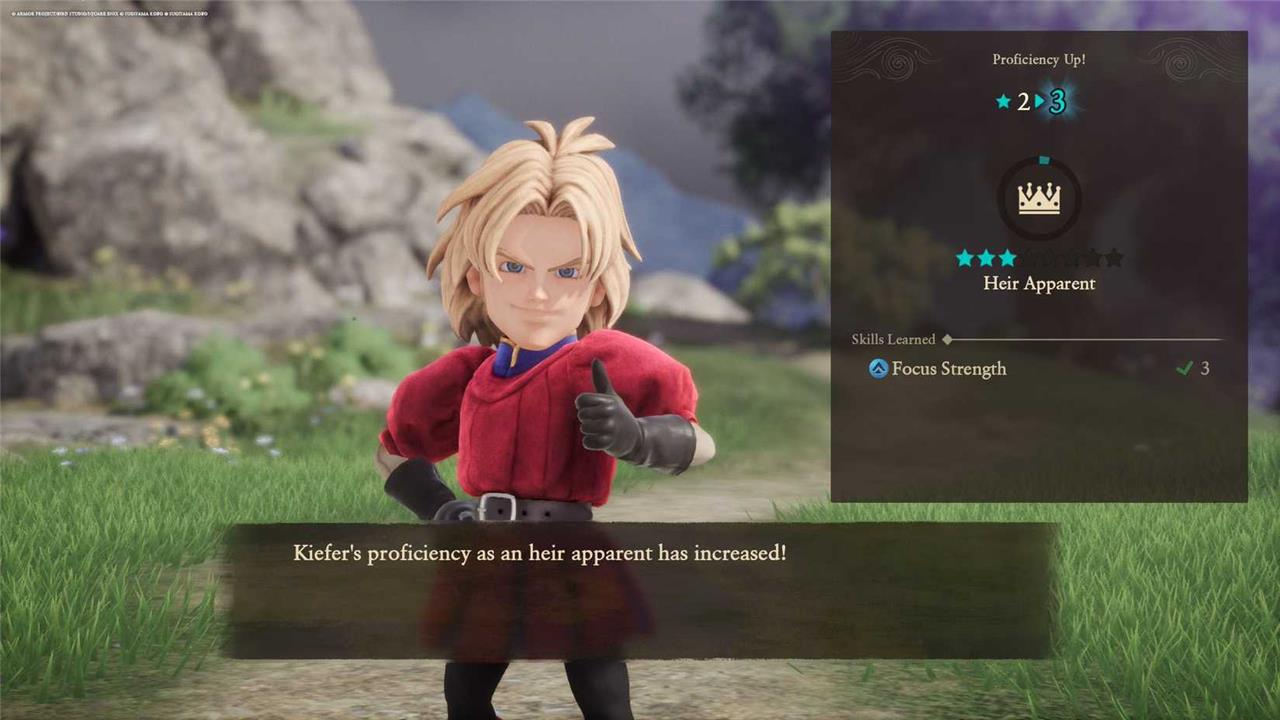
Right off the bat, you have access to 10 basic vocations. To unlock the next tier of classes, the intermediate vocations, you need to master a certain combination of the basic ones as indicated in the intermediate vocations’ descriptions. For example, Warrior and Mage are required to unlock the Armamentalist vocation. For the three advanced vocations, the process is similar but focused on mastering intermediate vocations.
To master a vocation, you need to level it up by earning vocation points from battles. After the “An Encounter with Aishe” main story quest, you unlock the Moonlight system. It allows characters to use two vocations, making the mastery process faster.
Best vocations in Dragon Quest 7 Reimagined
Choosing the right vocation in Dragon Quest 7 Reimagined can greatly affect how your characters grow and perform in battle. Hero remains the standout for its strong balance of offense, defense, and healing. Gladiator and Sage continue to excel for pure damage and magic versatility, while Monster vocations provide unique skills that can turn the tide in longer fights. Players seeking flexibility often favor intermediate jobs like Pirate or Druid for their varied abilities and support potential, making progression both strategic and rewarding.
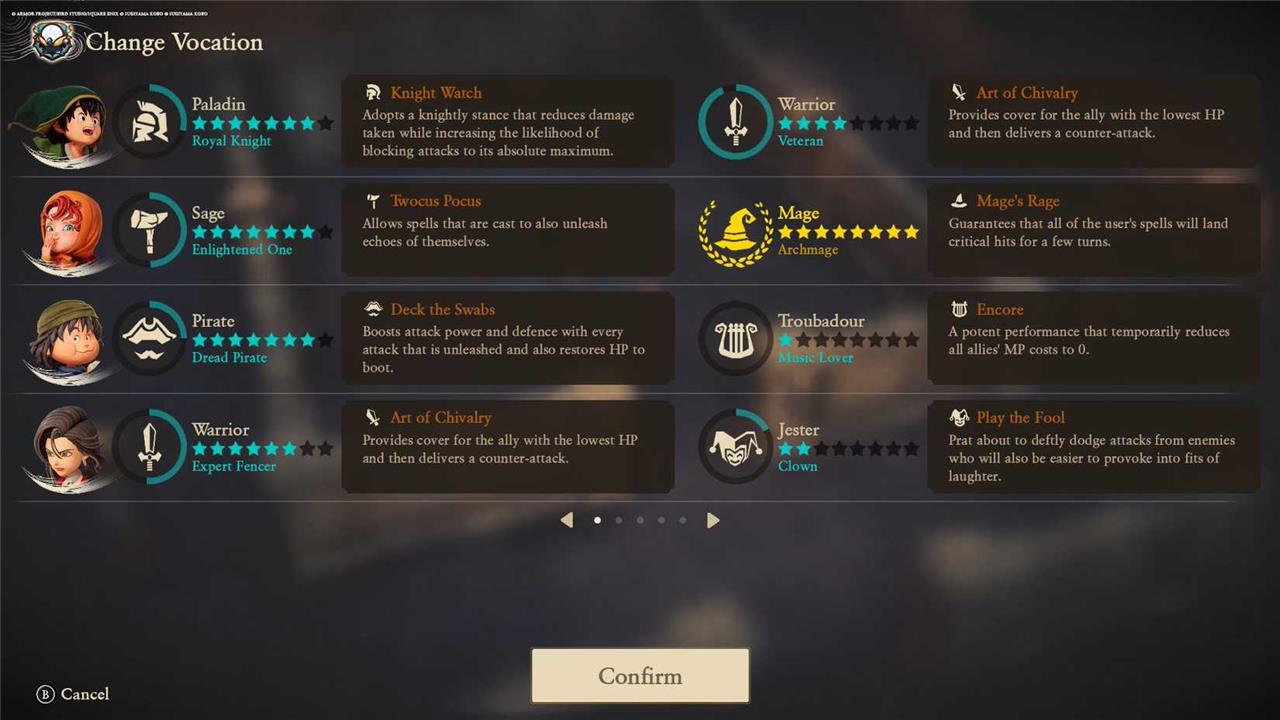
Aside from the advanced vocations, picking the best ones among the basic and intermediate vocations is a matter of personal preference. However, there are some you should consider based on how valuable they can be, thanks to the skills they grant.
Warrior
- Class type: Basic
- Unlock requirements: None
In most RPGs, it’s difficult to go wrong with the Warrior class, and in Dragon Quest 7 Reimagined, it’s no different. It’s a solid bruiser class and it increases a character’s HP, physical damage, and defense. Its special ability, “Art of Chivalry,” protects the ally with the lowest HP and counters enemy attacks, making the Warrior capable of providing strong support for your other characters. Another important detail regarding this vocation is that by raising it to level four, you unlock the Metal Slash skill, which is a great early ability for hunting Metal Slimes and speeding up the grind.
Sage
- Class type: Intermediate
- Unlock requirements: Master the Priest and Mage vocations
Sage isn’t quite your archetypal healing class. Despite unlocking after you master the actual healing class, the Sage’s kit has a lot of ways for you to deal damage. For example, your first spell is Thwack, the instant death (if you’re lucky) attack. You also get the powerful Kacrackle, a multi-target ice spell, and Kaboom, a multitarget explosion spell. Sage’s support options are nothing to sneeze at, either. Kazing, which revives an ally with full health, is the standout, but they also learn the highly useful Insulatle to reduce incoming fire and ice damage and Multiheal, so you can actually heal more than one ally at a time.
Martial Artist
- Class type: Basic
- Unlock requirements: None
The Martial Artist vocation in Dragon Quest 7 Reimagined is the equivalent of a monk in other RPGs. Focused on physical damage, it’s by far the best vocation for boss fights because of how effective its single-target skills are. Martial Artist’s Clap Trap skill is a 2-MP ability that grants the user a cumulative buff whenever they hit enemies, making them stronger every time they attack. Additionally, this vocation also has access to Mens Sana, a healing skill that buffs their attack power by removing status ailments. It’s a very self-centered class, but one that hits really hard.
Paladin
- Class type: Intermediate
- Unlock requirements: Master the Martial Artist and Priest vocations
A tankier class than Warrior, Paladin focuses on keeping everyone alive, whether by protecting them or healing them. You can unlock it by mastering the Martial Artist and the Priest vocations. Paladin’s core skills can turn a character into an impenetrable wall, blocking attacks more consistently and even healing the character when blocking enemy attacks. Paladin offers substantial support to the rest of the party with healing spells as well, making it a perfect fit to play the role of the party’s healer. It doesn’t have access to Kazing (a.k.a. the best resurrection spell in the game), but a character equipped with the Paladin vocation can use Kerplunk, a skill that lets them sacrifice their life to revive all fallen party members with full life.
Mage
- Class type: Basic
- Unlock requirements: None
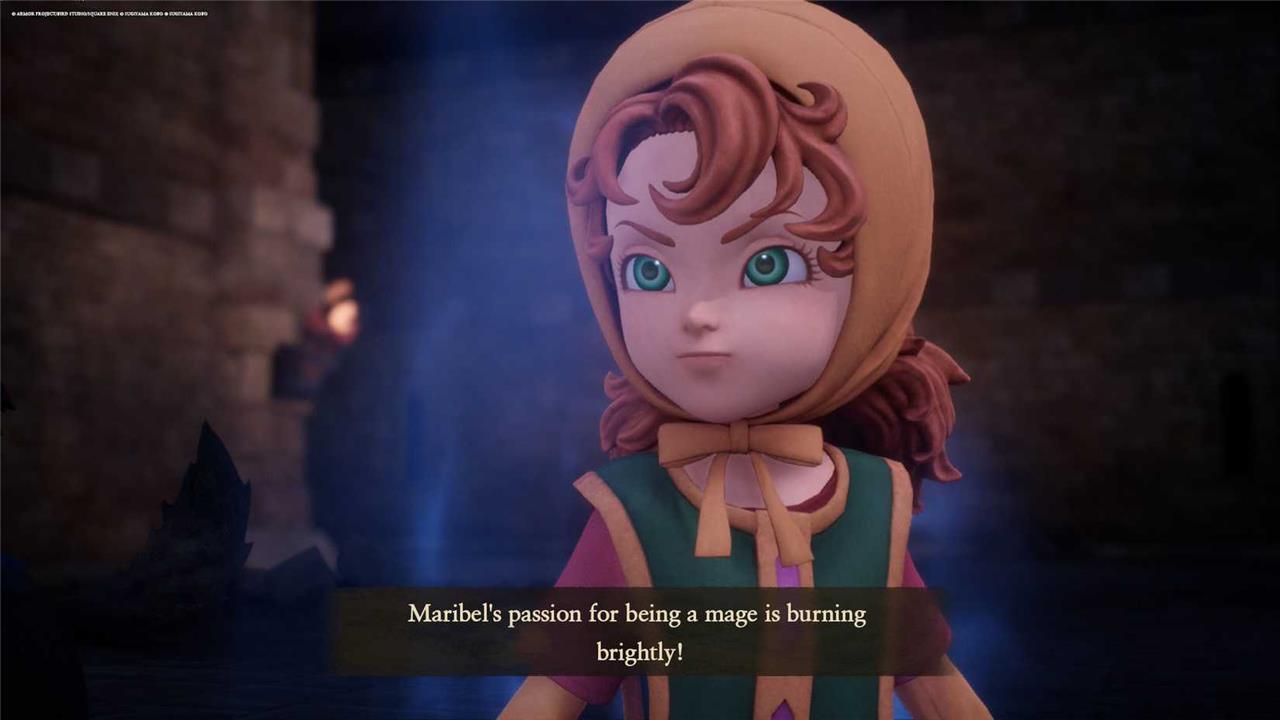
Magic is extremely powerful in Dragon Quest 7 Reimagined and the basic vocation Mage has one of the best spell sets in the game. While other vocations can cast other types of magic spells, they don’t offer the same versatility that Mage does. From bursting single targets with Kafrizz to hitting every enemy with Boom, Mage is the best damage dealer to have in your party. Even after you have unlocked intermediate classes, Mage is a fantastic option to pair with other casters.
Armamentalist
- Class type: Intermediate
- Unlock requirements: Master the Mage and Warrior vocations
Armamentalist is Dragon Quest 7‘s magic knight class. You get an excellent mix of support spells like Kabuff and Midheal, offensive magic including Zap and, at higher levels, Kafrizzle, andmagic-infused physical attacks. If you missed having access to Kiefer’s Flame Slash and similar but more powerful skills like Lightning Slash, this is the vocation for you. Like most hybrid classes, Armamentalist suffers from being good at two things, but not particularly excellent at one. However, those two things are essential for most parties, and having them combined on one character frees the rest of your team to pursue something else. And better still, the Armamentalist is easier to keep alive than other magic- and support-focused vocations.
Troubadour
- Class type: Basic
- Unlock requirements: None
Among the initial vocations, Troubadour is the best buffer available. Although you will rarely need a dedicated buffer in the party, complementing a character’s skill set with powerful buff abilities can be extremely helpful. What makes Troubadour stand out is the four hymns it has access to: the Hymn of Air, Hymn of Light, Hymn of Fire, and Hymn of Ice. These are abilities that increase the party’s elemental defense against specific types of damage. Troubadour also has Accelerate and its upgraded version, Acceleratle, which – as you might have guessed – raises the characters’ speed. Lastly, Troubadour’s special ability, Encore allows the rest of the party to cast any skill for free, creating the perfect window to burst enemies or casting heavy healing spells.
Pirate
The Pirate vocation excels at striking from the shadows, stealing crucial resources with swashbuckling flair while keeping a cool head in tense moments; it blends mobility, clever tricks, and battlefield deception to outmaneuver tougher foes and seize rewards that other classes might overlook.
- Class type: Intermediate
- Unlock requirements: Master the Sailor and Thief vocations
Pirate is an odd one, but don’t let its peculiarities fool you. It’s more than just a gimmick class and shines even brighter among Dragon Quest 7 Reimagined‘s vocations thanks to the Moonlighting system letting you augment your skillset. Pirate gives you a bit of everything. You can heal with Midheal, buff with Oomph, sling rock and wind spells, protect the party with Lifeboat – and that’s just a small selection of their available skills. The standout one, however, is Maelstrom, which deals a high amount of damage for just 12 MP.
How to unlock Champion vocation requirements
To unlock the Champion vocation in Dragon Quest 7 Reimagined, a character must fully master both the Gladiator and Paladin intermediate vocations.
Prerequisites
Vocations unlock progressively via the main story at Alltrades Abbey, but Champion is an advanced (master) class requiring prior mastery of basics feeding into intermediates.
-
Gladiator first: Master Warrior + Gladiator prerequisites (typically Swordsman or similar basics).
-
Paladin second: Master Warrior + Priest (or Knight path) prerequisites.
Both must hit full mastery (often level 40-70, depending on the guide’s exact threshold in the Reimagined edition).
Step-by-Step Path
-
Reach Alltrades Abbey in the story to enable vocation changes.
-
Level a character through Basic Vocations like Warrior, Swordsman, and Priest to unlock Gladiator and Paladin.
-
Grind to master Gladiator (high physical DPS focus).
-
Grind to master Paladin (tank/support hybrid).
-
Return to Alltrades Abbey priest; Champion unlocks automatically for that character.
Best Characters
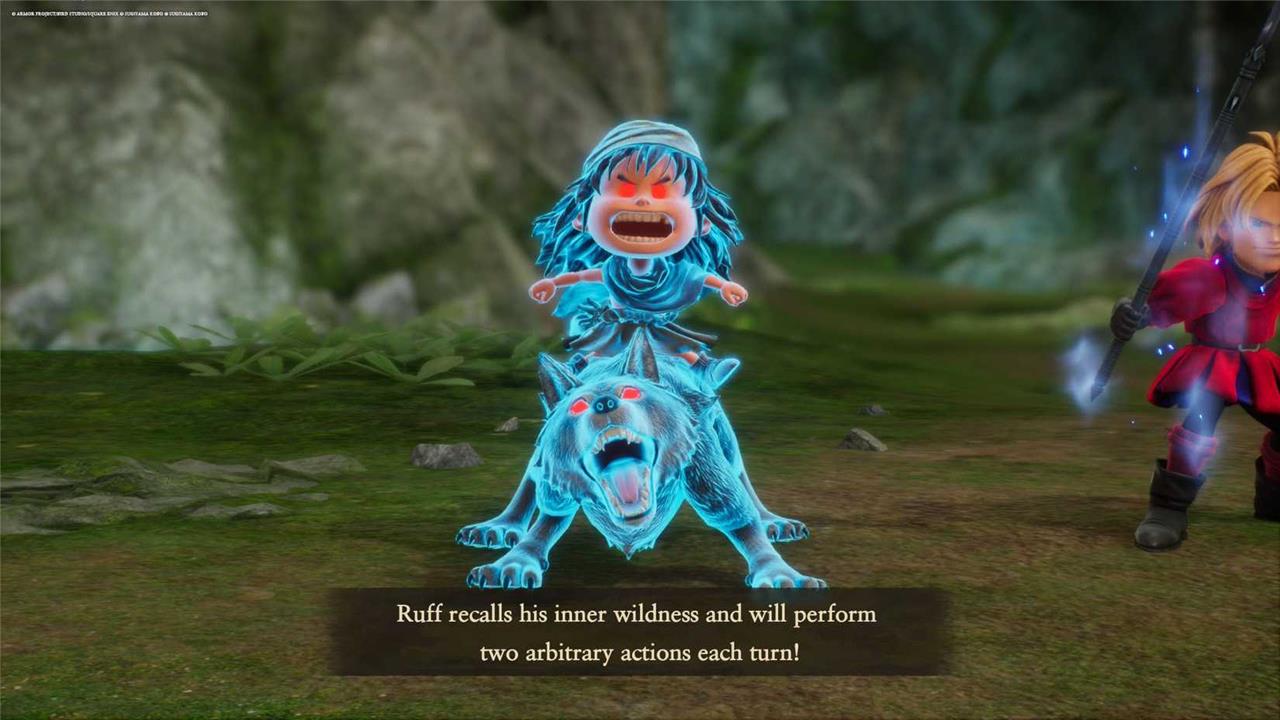
Champion suits physical powerhouses: Hero, Ruff, or Sir Mervyn due to their stat synergy for axes, swords, spears, and counters.
Pair with Moonlighting (post-Aishe) for extras like Monster Masher on Ruff.
What basic vocations are needed for Gladiator and Paladin
Gladiator requires mastery of Warrior and Martial Artist basic vocations.
Paladin requires mastery of Warrior and Priest basic vocations.
Quick Path Summary
-
Shared: All paths start with Warrior (basic tank/melee focus).
-
Gladiator → Physical DPS: Add Martial Artist (fast unarmed/crit focus).
-
Paladin → Tank/Support: Add Priest (healing and buffs).
Mastery means fully leveling each (typically 40+ battles per rank up to max). Visit Alltrades Abbey after to unlock the intermediates.
