
From Goku’s blazing Super Saiyan awakening to Luffy’s reality-bending Gear Fifth, anime has turned power-ups into pure spectacle – moments that ignite fandoms, shape entire series, and keep audiences holding their breath for the next transformation.
When it comes to anime, “This isn’t even my final form” is a trope as old as time. As the battle gets heated and the chances of defeat increase, heroes and villains alike reveal that, through either training or just sheer luck, they have at least one more powered-up version ready to go. At its best, like with Luffy’s Gear 5, the latest upgrade to One Piece‘s future King of the Pirates, it can be absolutely thrilling. And watching fans react to the event (and inevitably argue over it) makes it clear why it’s become such an enduring trope for the last half-century.
So, to celebrate Gear 5, let’s hop through five decades of the greatest anime power-ups, jumping through genres and icons to dive into what’s made this such a beloved plot device.
Mazinger Z’s various power-ups
Mazinger Z stands out in mecha anime thanks to its steady stream of upgrades, which kept the robot matching stronger enemies without losing its classic silhouette. From the iconic Jet Scrander that finally let Mazinger take flight, to armor and weapon enhancements like the Iron Cutter and stronger photon beam attacks, each new feature felt like a power-up moment on par with a shonen hero’s transformation. These additions not only raised the stakes in battles against mechanical beasts, they also turned Mazinger Z into an early template for how anime could refresh a hero’s abilities while keeping fans attached to a familiar design.
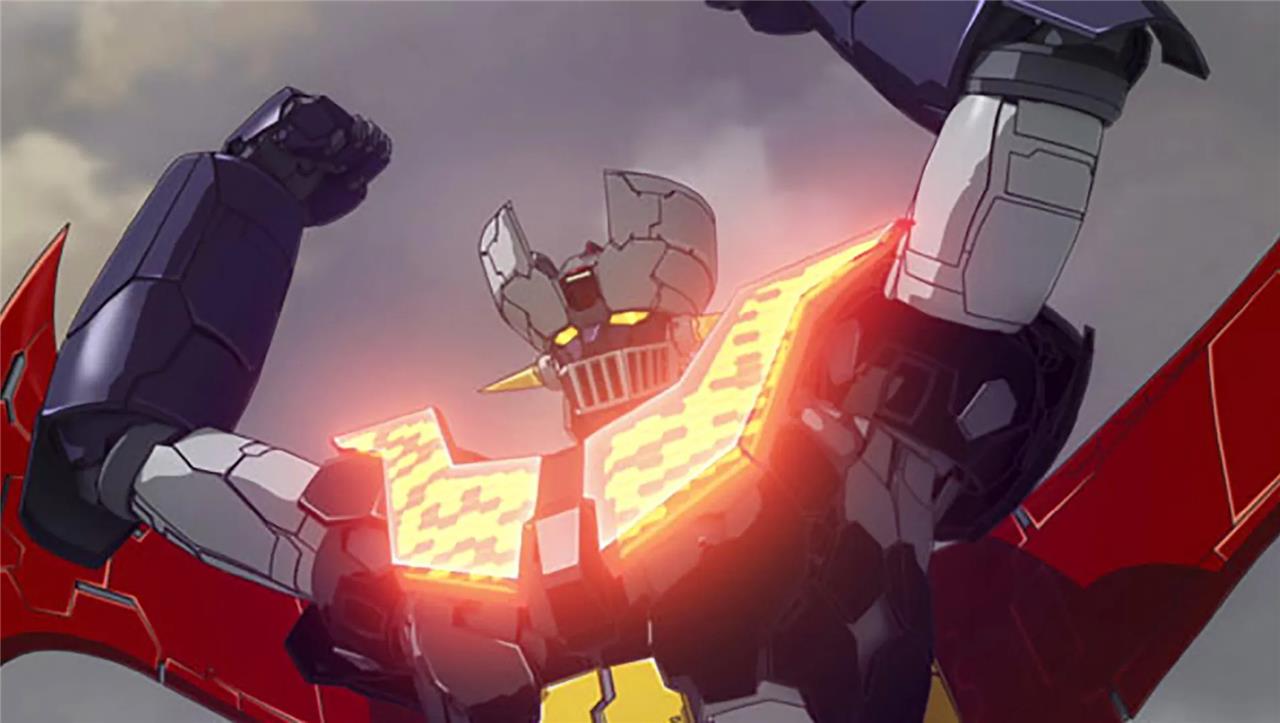
Manga author Go Nagai’s influence on pop culture can’t be overstated. He created series like Devilman, Cutie Honey, and Violence Jack, and also helped pioneer the “super robot” genre with Mazinger Z. Giant fightin’ robots would become one of anime’s bread-and-butter subjects in the ’70s, and Mazinger Z was at the forefront of the genre, telling the story of pilot Koji Kabuto using his late grandfather’s fantastical mech to battle the nefarious Dr. Hell.
Pretty cool, right? But that combat doesn’t come without some wear and tear on Kabuto’s big robot, so old parts are replaced with newer, cooler, more powerful enhancements. Like Mazinger Z’s Hover Pilder, the little craft that Kabuto uses to fly around and pilot Mazinger Z, which is replaced by the more streamlined Jet Pilder. And when it’s time for the robot to get back in action with the sequel series Grand Mazinger, it’s not made out of your grandpa’s Super-Alloy Z, but rather Super-Alloy New Z, which is much lighter and more durable. Rad.
Fist of the North Star’s Hokuto Shinken
Hokuto Shinken, the secret martial art of Fist of the North Star, grants its wielder the terrifying ability to strike hidden pressure points and destroy an enemy from within. Used by Kenshiro, each technique channels precise energy through the body, resulting in explosive, often gruesome finishes. What sets this power apart is its mix of deadly precision and spiritual discipline-the user must balance compassion with destructive potential. Its unique style and iconic catchphrase before every fatal strike have cemented Hokuto Shinken as one of anime’s most unforgettable combat abilities.
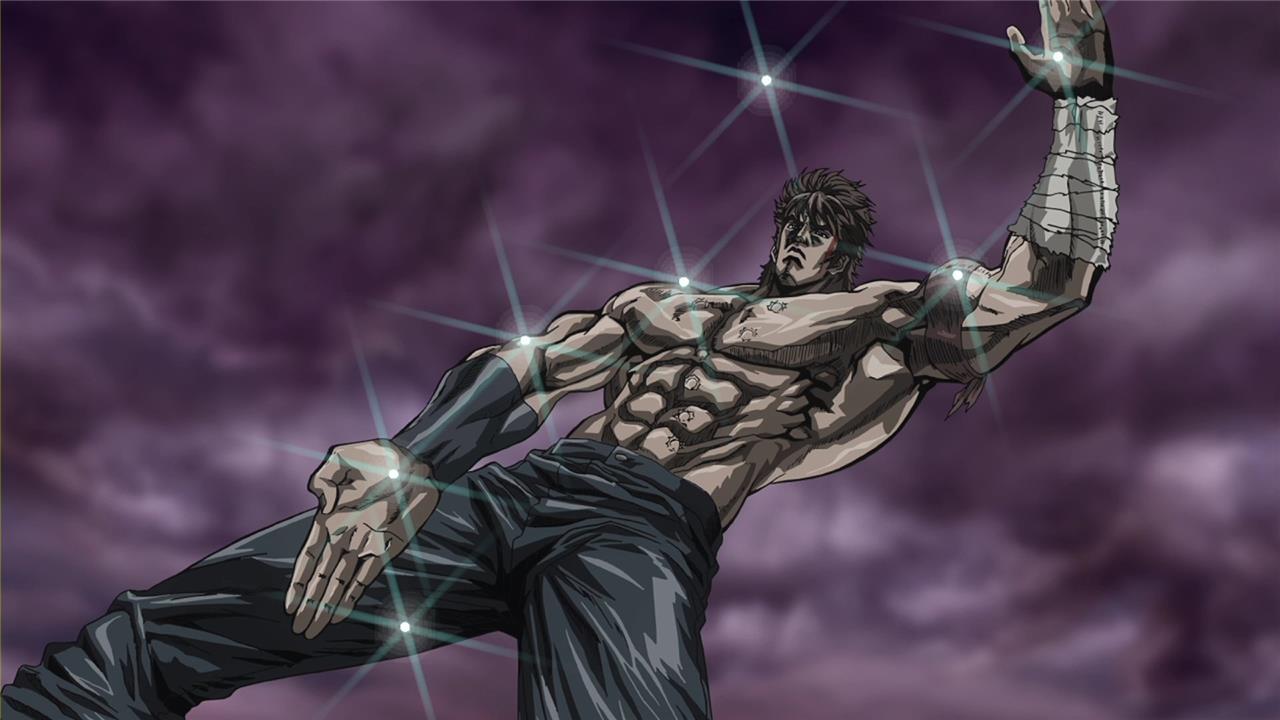
Despite one of Google’s “people also ask” questions being “Is Hokuto Shinken a real martial art?” – no, the fighting style that allows combatants to access all 100% of their abilities (rather than just a meager 30%) isn’t something you can actually learn. But it sure looks cool, especially when wielded by Fist of the North Star‘s protagonist, Kenshiro. Even if you’ve never watched the series, you likely know its trademark move – the rapid strikes that, when performed correctly, cause the evil opponent’s body to burst and break apart in a variety of beautifully bloody ways.
Set in a Mad Max-esque post-apocalyptic wasteland, Kenshiro is a solid dude in a land full of brutal wannabe warlords. And his sense of ethics helps, because as is common in this sort of thing, one’s mastery of Hokuto Shinken is heavily influenced by one’s feelings of love and friendship. So when Kenshiro is able to tear through his own shirt thanks to the Art of Dragon’s Breathing and then explode a bad guy’s head by just touching it, you’ll know it was all possible because he liked being nice to people. Well, most people.
Dragon Ball Z’s Super Saiyan form
The Super Saiyan transformation from Dragon Ball Z redefined anime power-ups with its explosive energy and emotional depth. Triggered by intense rage or determination, this form multiplies a Saiyan’s strength, speed, and aura, turning their hair golden and eyes teal. Its debut during Goku’s battle against Frieza became a defining moment in anime history, symbolizing the ultimate surge of willpower and surpassing one’s limits.
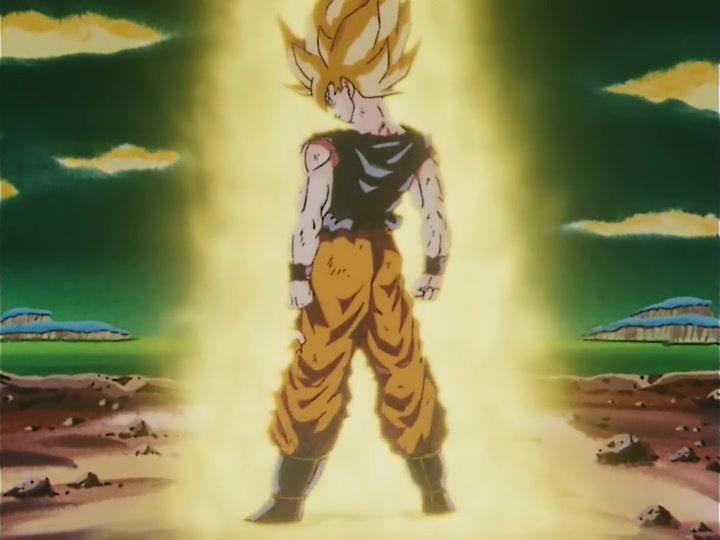
Undoubtedly the preeminent anime power-up, the Super Saiyan form has long gone past being a mere adjustment to Goku’s hair and biceps and joined the mass cultural lexicon beyond anime. It’s been used in reference to professional athletes, been a joke on Saturday Night Live, and Twitter, among many other things. It’s the go-to reference when someone is about to do something that exceeds whatever limits we thought previously existed.
Its origin has become legendary (Dragon Ball’s creator, Akira Toriyama, dug it because it meant that he could take a break from coloring in Goku’s hair for a while) and its context in the story has, um, powered up countless imitators: Goku is only able to unlock this next step after Frieza cruelly kills Goku’s li’l pal Krillin. Sure, Dragon Ball Z would eventually take a lot of flak about its tendency to have people just stand there and yell as they get stronger for the length of whole episodes, but in the case of the first Super Saiyan transformation, it’s pure exhilarating escapism.
Sailor Moon’s transformations
Sailor Moon’s transformations captivate with their dazzling sequences, where Usagi Tsukino shouts “Moon Prism Power, Make Up!” and her civilian clothes dissolve into a shimmering ribbon of light. Brooches, pens, and crystals trigger the magic, spinning her body in a ballet of sparkles and silhouettes that reveal iconic sailor suits, tiaras, and gloves. These power-ups escalate across seasons-from basic sailor scout forms to Super Sailor Moon’s ethereal wings and Eternal Sailor Moon’s radiant gown-blending high-stakes battles with pure-hearted spectacle that defined magical girl anime.
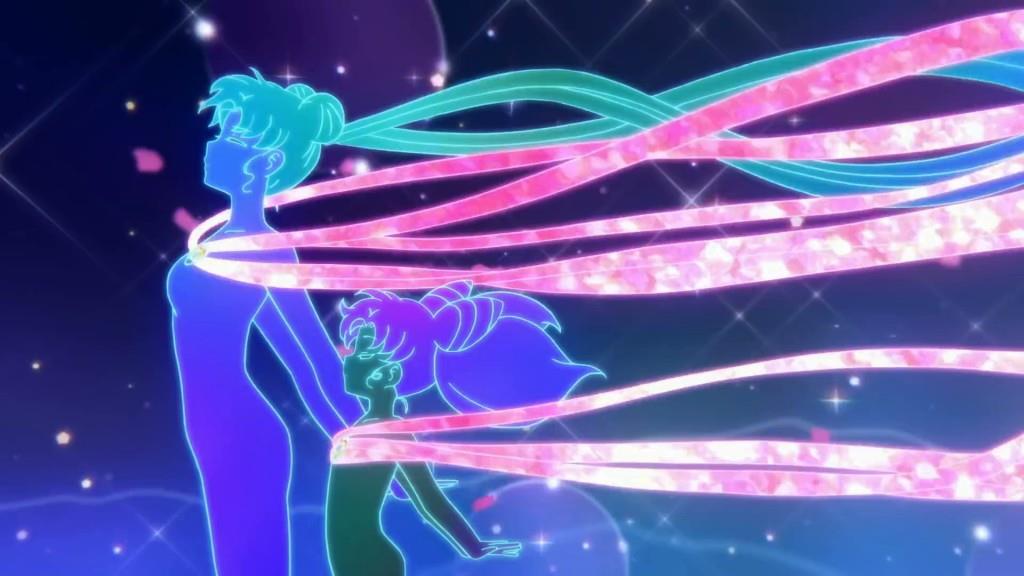
Despite being one of manga and anime’s most popular genres, “magical girls” are often left out of the conversation when it comes to discussing anime’s global rise. It certainly doesn’t help that Sailor Moon, the genre’s standard-bearer, was often treated with indifference by television networks even as it amassed an early devoted following in America. But Sailor Moon‘s transformations are, to its fans, just as recognizable as Dragon Ball Z‘s.
Sailor Moon, along with her fellow guardians, would garner boosts on both a power and aesthetic scale. Often correlated with items (the transformation into Super Sailor Moon required a Holy Grail), it was unabashed in its colorful joy and sincerity. Power-ups and strength upgrades weren’t just limited to being the playthings of boys and the source of action-figure wish fulfillment. The characters of Sailor Moon were as exciting as they come, even if it took American television too long to realize it.
Digimon’s evolutions
Digimon’s evolutions stand out for their dynamic blend of teamwork and strategy. Unlike traditional transformations, a Digimon’s growth depends on its bond with its human partner, creating deeply emotional moments as both characters grow stronger together. From Agumon’s fiery shift into Greymon to more powerful Mega forms, each stage reflects both narrative stakes and character development, making these evolutions unforgettable within anime power-up history.
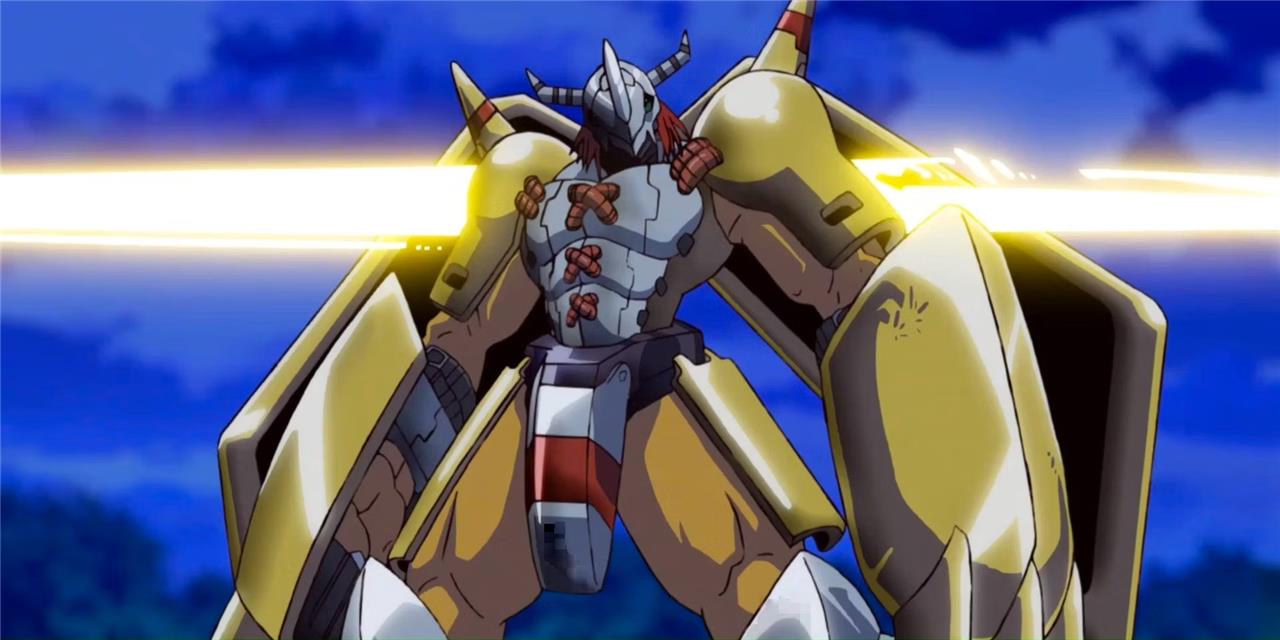
When the monster collecting boom hit in the late ’90s, one of the staples was the idea of evolution. A biological process rendered in flashy anime and video game forms, its most famous was in the world-eating franchise Pokémon. But Digimon, a franchise that, at least in America, never managed to hit in the same way as its Pikachu-led cousin, often concocted these transformations in a much more emotionally meaningful way.
Taking the structure of the virtual pet it was spawned from, Digimon: Digital Monsters‘ evolutions were very much based around the connection between a person and their respective laser pet. The critters couldn’t just warp into being bigger dinosaurs/robots/warriors through strength alone. The partner had to reach some form of emotional growth, too. And pushing too hard on a Digimon to evolve often meant unleashing a dark side of its potential. Be nice and learn from one another? You get MetalGreymon. Be impatient and thoughtless? You’re gonna have to deal with SkullGreymon, asshole.
Naruto’s Nine-Tails
Naruto’s bond with the Nine-Tails, Kurama, stands as one of anime’s most powerful transformations. What begins as a curse turns into a partnership built on trust and resilience, allowing Naruto to harness immense chakra reserves and overwhelming strength. The golden chakra cloak and Kurama Mode not only elevate his combat abilities but also reflect his growth from an outcast to a hero capable of protecting everyone he cares about.
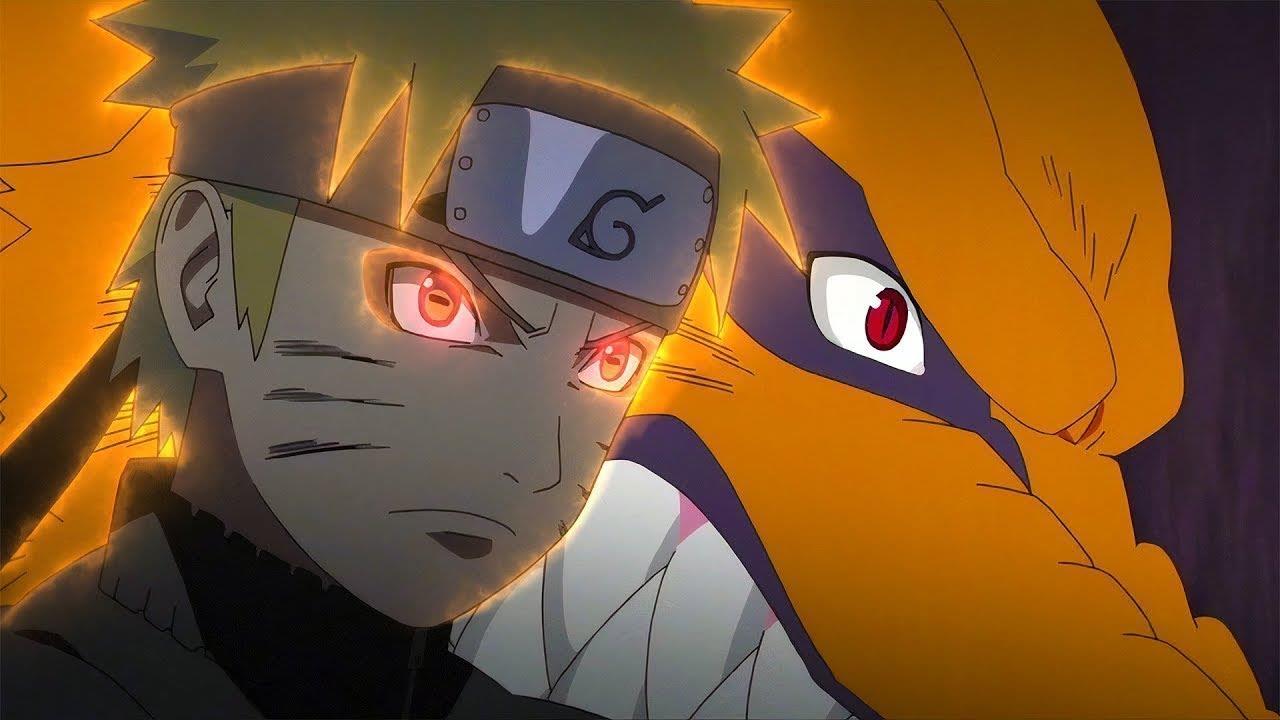
Having a power-up that serves as both an outlet for immense strength and also a curse wasn’t a new thing by the time Naruto started playing around with it. YuYu Hakusho often reckoned with the idea that the lust for too much power would warp you physically and psychologically, meaning that by the time the villainous Toguro amassed his full strength, he seemed barely recognizable. Funnily enough, Kurama, the nine-tailed fox beast sealed inside Naruto from birth, is allegedly named after YuYu Hakusho‘s Kurama, someone who also has a fox demon lurking inside of them.
Naruto begins his titular series shunned by his community at large due to being the host of such a destructive force, and throughout the story, the young ninja has to grapple with that power. At the risk of it consuming him entirely, he uses it as a source of strength and “chakra,” carefully balancing its allure with its danger. There are multiple variations of harnessing this, but one of the most memorable is Naruto’s eventual transformation into a “Tailed Beast Mode,” where the lonely kid from the Hidden Leaf Village becomes a borderline kaiju.
One Piece’s Gears
Luffy’s Gear transformations in One Piece redefine physical limits and creativity in combat. Each Gear showcases a different aspect of his mastery over the Gum-Gum Fruit, from the raw power of Gear Second’s speed boost to the immense strength and size of Gear Third. Gear Fourth introduced dynamic forms like Boundman and Snakeman, bringing explosive motion and flexibility to his fighting style. Gear Fifth then elevated his abilities to near-mythical levels, blending cartoonish freedom with godlike power, capturing the wild spirit that defines One Piece itself.
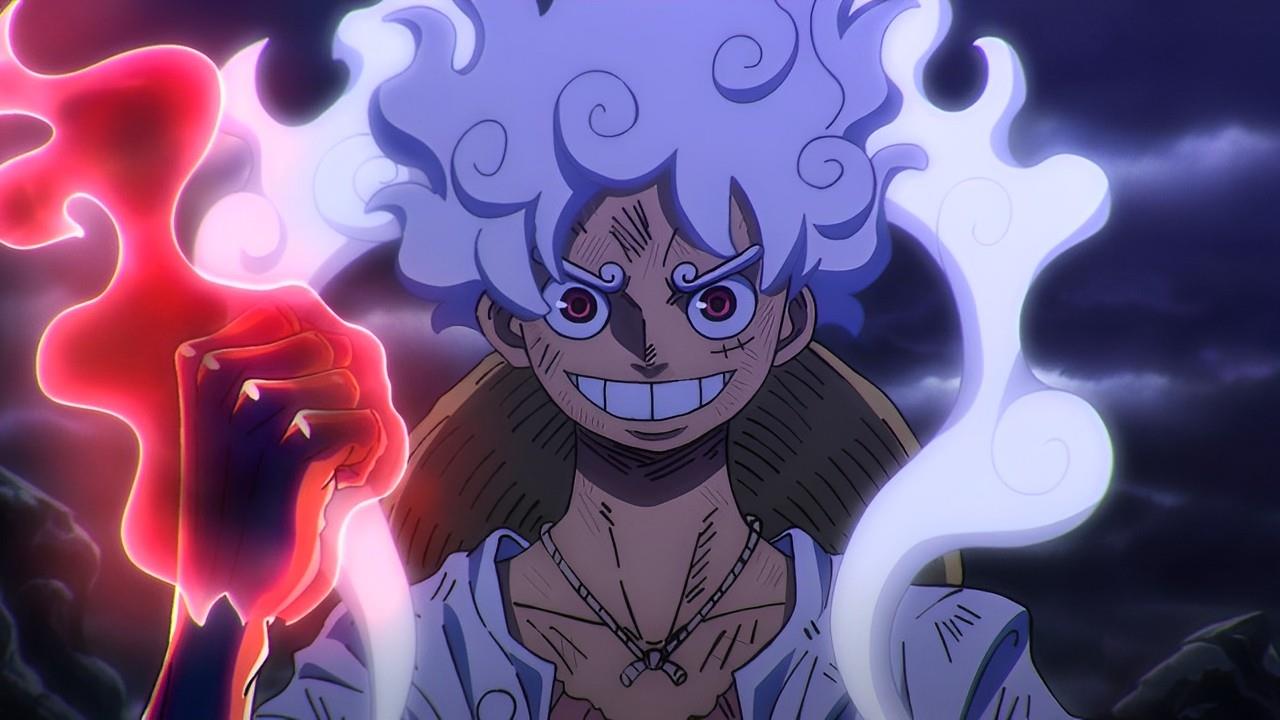
It’s easy to see that One Piece creator Eiichiro Oda derives a lot of fun from Luffy’s “gum gum” powers. Turning into rubber means that the protagonist of the series (which turned 25 last year and is still going strong, with a live-action Netflix adaptation on the way) can stretch, bounce, and bend in a way that’s only limited by the author’s imagination. And when he introduced Luffy’s new “Gear” forms during a particularly desperate moment of the narrative, it felt less like a self-serious rebranding and more of a way to extend the expression of Luffy’s wild powers.
The Gear forms (Gear 2 pumps his blood faster, allowing for more speed and force; Gear 3 inflates body parts, causing massive examples of cartoonish power; and Gear 4 inflates all of his muscles, turning his full body into a bouncing weapon) have seemingly culminated with the latest Gear 5, in which Luffy not only has unlimited capabilities regarding his rubber form but gives rubber properties to the world around him. Of course, with One Piece‘s now labyrinthine story, there is a mythological importance to this form that would take about four more paragraphs to explain. But at its heart, its Looney Tunes vibrancy is just another wacky step for anime’s favorite rubber man.
Hunter x Hunter’s Troubling Growth
Gon Freecss’s Nen awakening in Hunter x Hunter marks a double-edged sword. His rapid power surge during the Heavens Arena arc propels him from novice to prodigy, mastering multiple aura types with uncanny speed. Yet this breakneck progress strains his body and mind, foreshadowing the dangers of unchecked ambition in a system that punishes the reckless. Fans debate if such explosive growth overshadows subtler character beats, turning potential into a narrative burden.
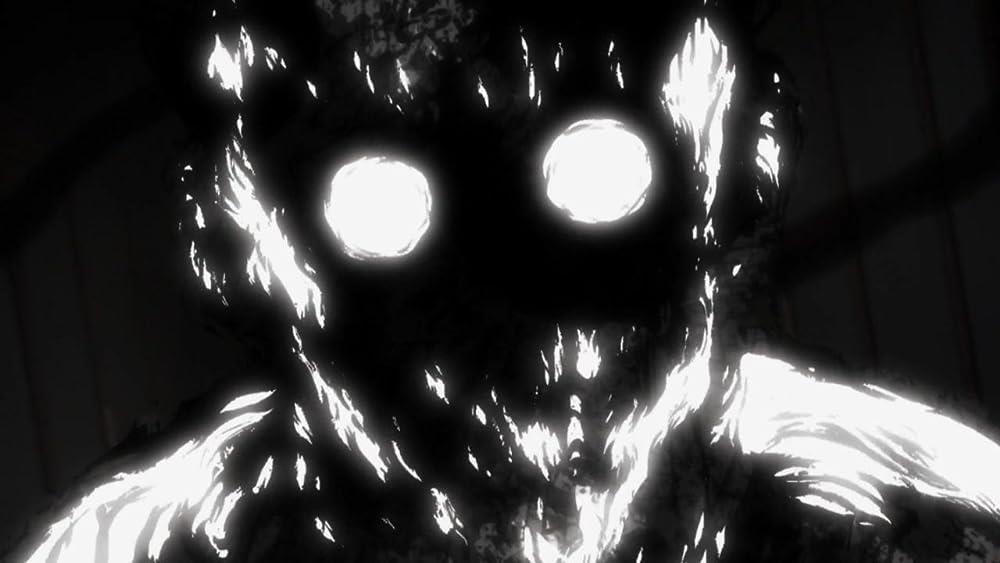
Few anime dive into the potentially horrifying nature of a world built around combat and tests of strength like Hunter x Hunter, another landmark series from YuYu Hakusho creator Yoshihiro Togashi. The capacity for stunning displays of violence isn’t a new thing (series like Dragon Ball Z and even One Piece are no stranger to mutilation), but Hunter x Hunter refuses to turn it into something aspirational. The lead character, Gon, a likable little boy on a quest to find his father, gains equal tastes of victory and defeat throughout the series, and tries to master his Nen, an innate energy that people can control and use (often in battle).
Driven to a mad grief due to the death of a friend (and the constant emotional turmoil of one of anime’s best story arcs, the Chimera Ant arc), Gon calls upon all of his Nen to not only turn into a dark portrait of adulthood, but to also beat his enemy to death. Looming in his new muscles and wrapped in a threatening aura, it’s the anime power-up turned hideous. Even after beheading the corpse, he refuses to stop the assault. It’s one of the most vicious moments in the genre, one that sticks with you long after the episode ends.
Demon Slayer’s Mark
The Demon Slayer Mark grants its bearer a dramatic boost in strength, speed, and perception, pushing them beyond human limits during battle. Each mark manifests with a unique flame-like design, often appearing in moments of extreme determination or near death. This transformation not only amplifies physical power but also heightens swordsmanship and agility, allowing Demon Slayers to rival even the strongest demons. However, its use comes at a heavy cost, as the strain it puts on the body shortens the user’s lifespan, making it both a gift and a curse.
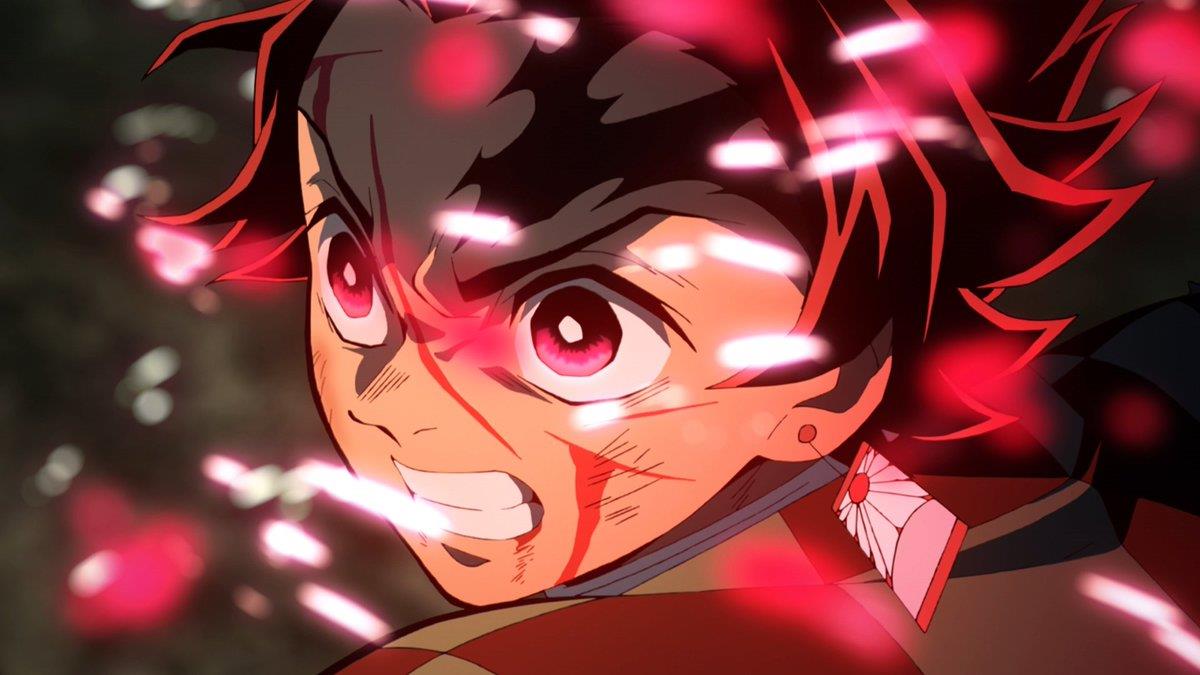
As you might be able to tell, a lot of anime power-ups come with some kind of easily recognizable physical change. This not only signifies the new level of strength, but makes the characters ultimately potent for even more merchandising and promotional opportunities. For example, Demon Slayer, an anime that evolved from a fun yet unspectacular series to a worldwide phenomenon during the COVID-19 pandemic, created the Demon Slayer Mark, a tattoolike marking that the warriors on the show attain when stuff gets particularly rowdy.
To get it requires a mastery of a Slayer’s breathing style that both grants new abilities and enhances old ones. It can even cause a Slayer’s sword to turn red (it does more than that, obviously, but now having a dope-looking red blade seems to be the primary function). As such, it, like many modern power-ups, it can feel like an amalgamation of what’s come before. But hey, when you strike gold like “obvious physical change reflects great strength increase,” you go back to that well as much as possible.
How does Luffy’s Gear 5 transformation work in One Piece battles
Luffy’s Gear 5 transformation awakens his Devil Fruit, the Hito Hito no Mi, Model: Nika, granting cartoonish, reality-warping powers in One Piece battles. It turns his body and surroundings into rubber, limited only by his imagination and willpower.
Activation Process
Luffy syncs his heartbeat to the “Drums of Liberation,” a rhythmic pulse that triggers the form instantly. His hair, eyebrows, and clothes turn white, with a cloud-like aura around his neck, boosting strength, speed, durability, and recovery to extreme levels.
Core Abilities
Gear 5 lets Luffy freely use Gear 3 and 4 effects without preparation, inflate limbs massively, and infuse advanced Armament and Conqueror’s Haki simultaneously. He manipulates the environment-turning ground or enemies rubbery-for attacks like Gomu Gomu no Bajrang Gun, a Haki-infused island-sized fist.
Battle Applications
-
Gomu Gomu no Gigant: Transforms into a giant for overwhelming scale.
-
Gomu Gomu no Dawn Rocket: Bends surroundings to launch a piercing fist strike.
-
Defensive Toon Force: Absorbs hits cartoonishly, like wrapping his head around attacks.
Its stamina drain causes rapid aging post-use, but Luffy improves control over time.
What are the strongest Gear 5 techniques Luffy used against Kaido
Luffy unleashed Gear 5’s strongest techniques against Kaido during the Wano Arc climax, leveraging his awakened Hito Hito no Mi, Model: Nika powers.
Gomu Gomu no Bajrang Gun
Luffy inflated his fist to island size, coating it in advanced Armament and Conqueror’s Haki, then ignited it to overpower Kaido’s Kaen Daiko, breaking a horn and sending him crashing into a volcano.
Gomu Gomu no Gigant
This giant form dwarfed Kaido’s dragon body, allowing Luffy to grab and swing him like a skipping rope in Nawatobi, amplifying raw physical dominance.
Gomu Gomu no Kaminari
Luffy turned clouds and lightning rubbery to hurl a massive thunderbolt projectile, showcasing environmental manipulation that Kaido dodged but highlighted Gear 5’s versatility.
Other Key Moves
-
Gomu Gomu no Fusen: Ballooned massively to reflect Kaido’s blasts, extending rubber properties to foes.
-
Gomu Gomu no Dawn Rocket: Bent surroundings for high-speed piercing strikes post-transformation.
