
From gritty noir mysteries to cosmic horrors and high-flying space sagas, the Cypher System bends to every imaginable story. Its rules serve the narrative, letting creativity-not complexity-drive the adventure.
“We saw thousands and thousands of new gamers investigating the Cypher System,” he said. “Now, some of those people made a rage purchase and then they’re just going to go back to their D&D campaign, but others are going to explore. There’s people that weren’t really paying attention to what else was out there, and now they’ve seen that there are other things and they’ll give them a try. In the months to come, we will be paying a lot of attention to how we can get those people that made a purchase to then move on to actually playing a game, because we’re pretty confident once they play that game, they won’t go back.”
What is the Cypher System?
Created by Monte Cook Games, the Cypher System is a flexible tabletop role-playing game engine designed to support stories across any setting or genre. It focuses on fast character creation, narrative-driven mechanics, and streamlined gameplay that keeps the spotlight on creativity rather than complex rules. Players use descriptive combinations of character types, focuses, and abilities, while the Game Master guides events using simple dice rolls and narrative “cyphers” that inspire twists, discoveries, and unexpected outcomes.
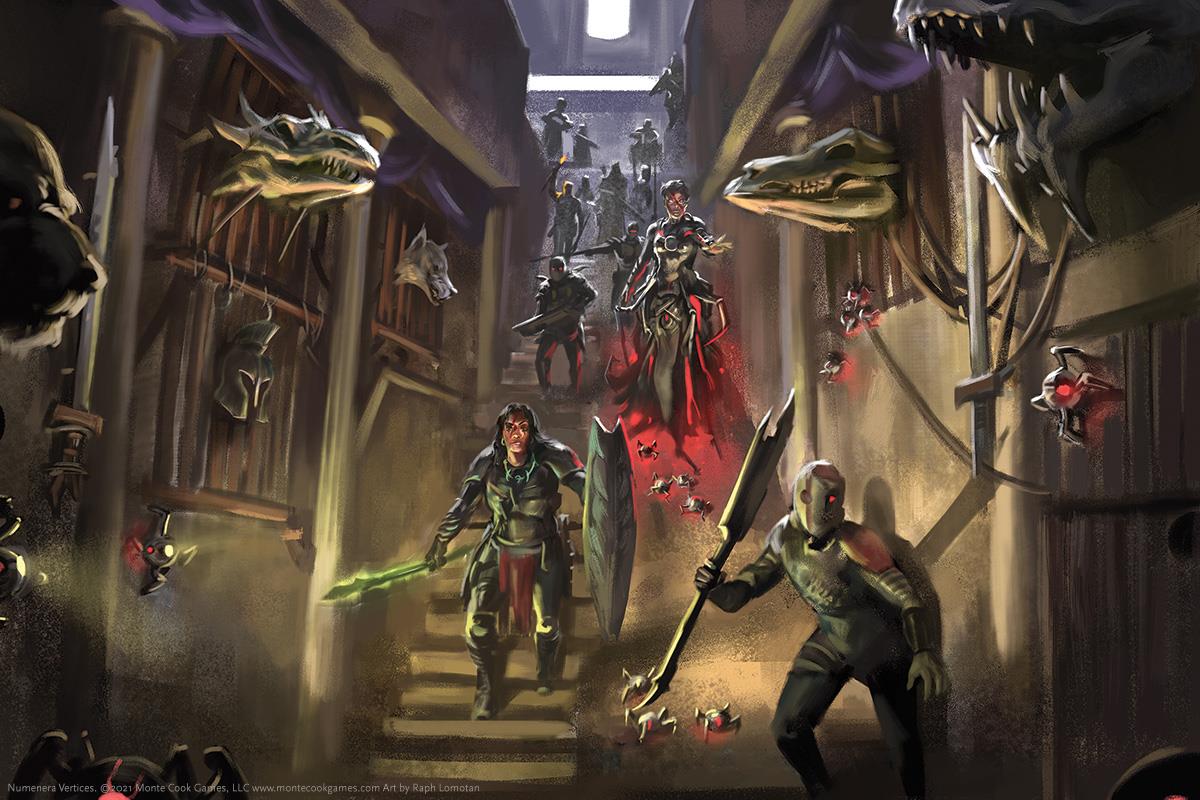
The Cypher System was introduced in 2012 with the record-breaking crowdfunding campaign for Numenera, Monte Cook’s science fantasy tabletop role-playing game set billions of years in the future. The game’s success inspired the formation of Monte Cook Games in order to use the mechanics of Numenera in other settings. Its second outing was The Strange, a Quantum Leap-like game where characters hop between dimensions that represent different genres.
“Once we did that, we were like, Well, this system works for everything,” Ryan said.
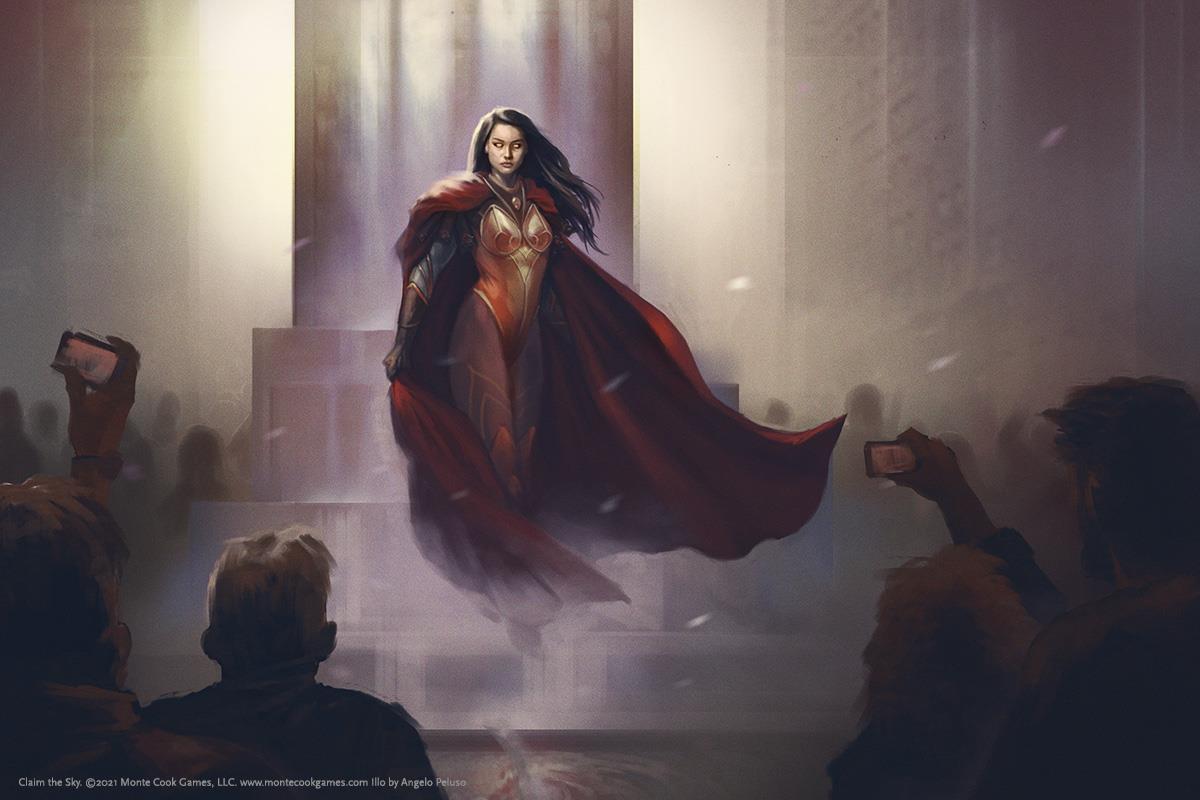
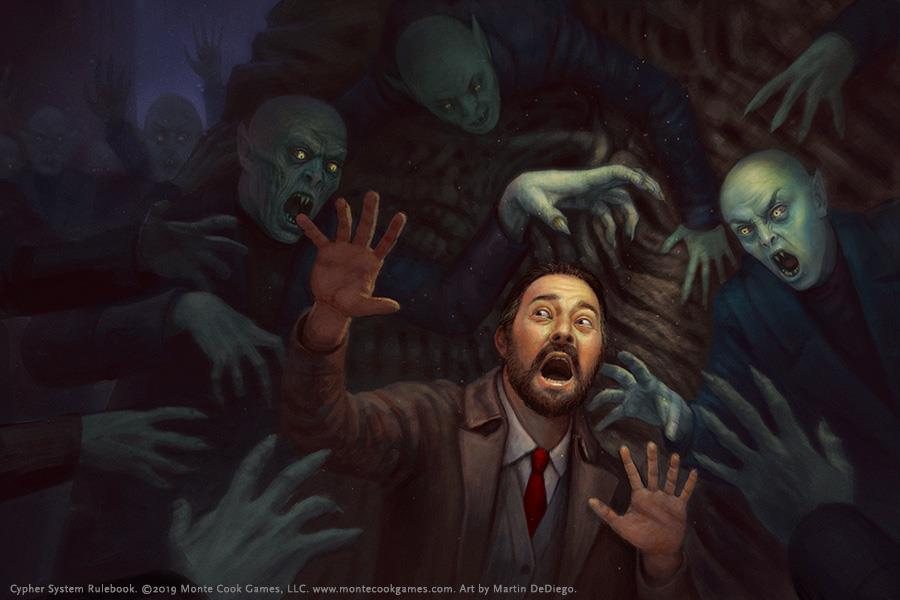
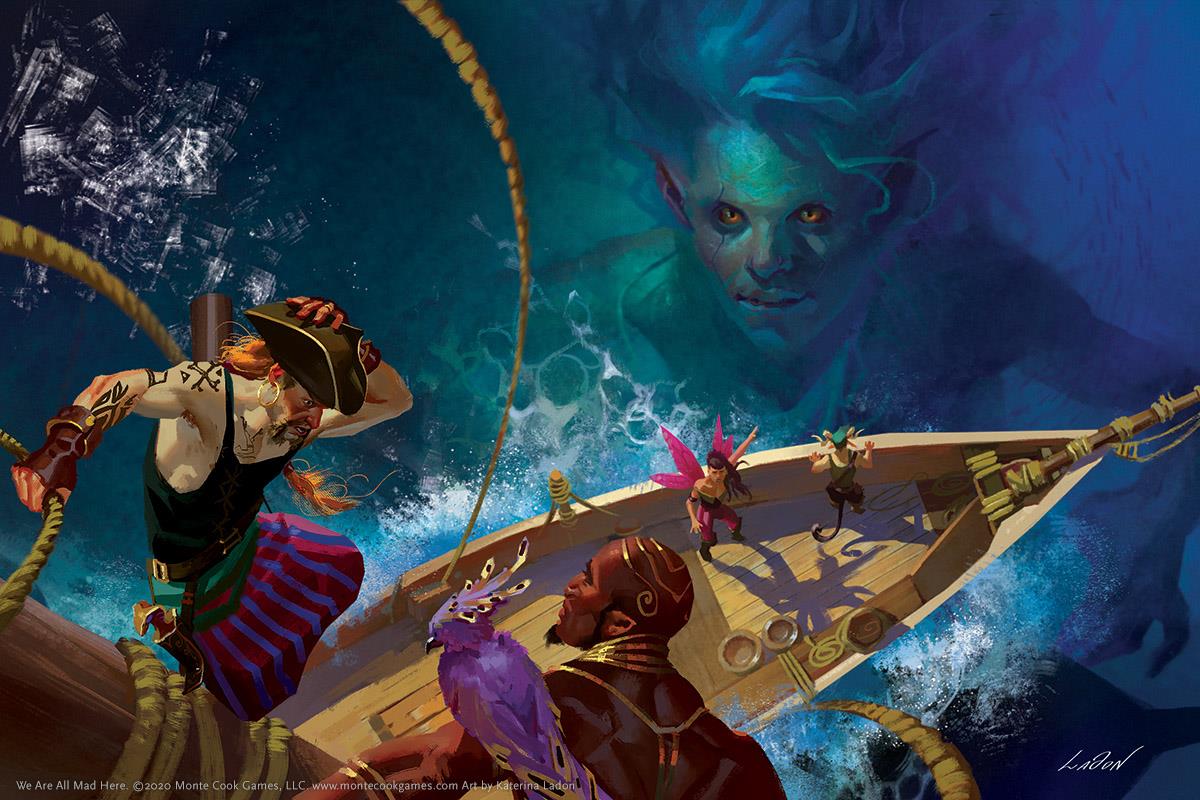

The Cypher System Rulebook provides guidance for running games and creating characters for settings ranging from post-apocalypses to fairy tales to superheroes. The key to the game’s versatility comes from how characters are made – by putting together a descriptor, type, and focus – for a huge amount of variability in concepts and plenty of options for reflavoring.
For instance, you might build a Graceful Warrior Who Fights With Panache to be a swashbuckling pirate, a Rugged Explorer Who Drives Like a Maniac for a Mad Max-inspired game, or a Clever Adept Who Employs Magnetism to play a character like Magneto. Each of these choices gives you access to its own group of skills and powers.
“I think a great Descriptor gives you a great role-playing hook,” Ryan said. “It says something about your character right there in the name, and then it’s got some mechanics that back that up.”
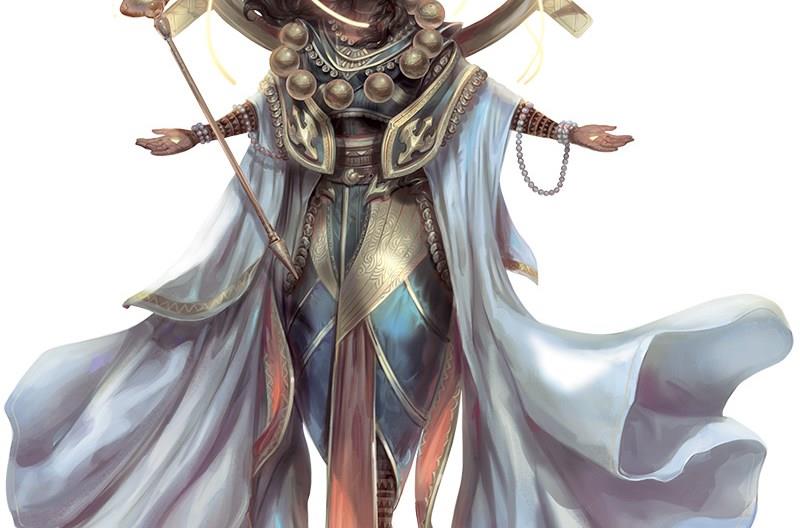
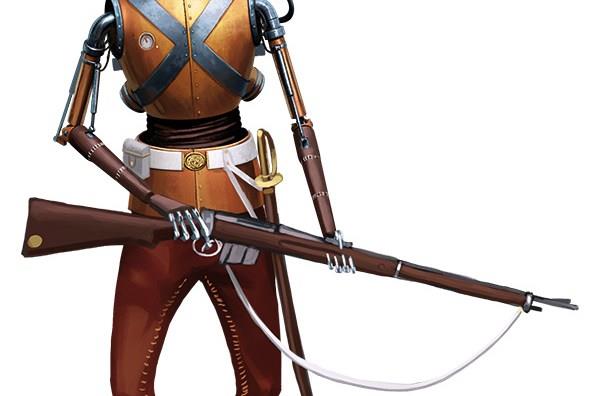
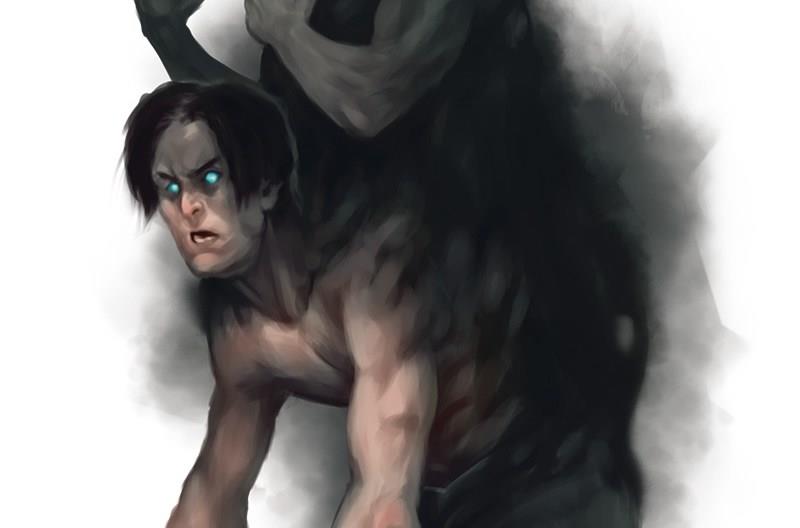
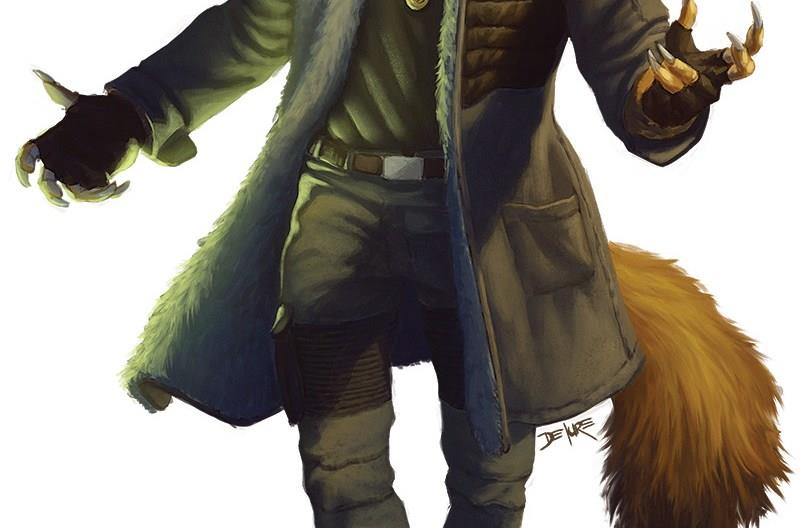
You can also use a flavor system to swap around special abilities for even more flexibility. For instance, a Speaker might get the magic flavor, indicating their ability to sway others comes from enchantment spells and that they can also use their power to shield their own mind from attack, while a Warrior could get knowledge flavor if they’re an assassin trained in subterfuge and lock-picking.
Using your stats
Using your stats shapes how your character interacts with the story and the world around them. Each stat-Might, Speed, and Intellect-represents a core aspect of ability, influencing everything from combat maneuvers to social encounters. Players spend points from these pools to push their luck, resist harm, or perform extraordinary actions. Balancing these resources adds tension and depth to every choice, making each roll feel meaningful and personal.
Cypher characters have three broad statistics: Might, Speed, and Intellect. These represent both a character’s maximum values in these areas but also how many points they have to spend on challenges relating to them. For instance, if you want to make an effort to dodge an attack rather than just relying on your base score, it requires spending points from your Speed pool. When attacking a tough foe with a sword, you may want to use points from your Might pool to make it easier. Take damage from an attack, whether physical or psychic, and you’ll lose points out of a relevant pool. This results in some tough trade-offs between offense and defense that can get even more dramatic based on the genre.
“For a zombie apocalypse game I ran, the players can’t get bitten,” Ryan said. “If you go into combat against the zombies, it’s game over if you take any damage from a zombie bite. Because the Cypher System has a mechanic where you apply effort when you’re really trying hard to make something succeed and the cost of that effort comes out of the same pools that damage comes from, we would get to the end of a combat and nobody would’ve been bit, but they’re just as depleted as they would be if they’re taking damage.”
Pools are refreshed by taking 10 hours of rest, but even a good night’s sleep just gives you the opportunity for a recovery roll. That means you always need to be aware of your resources. One of a character’s most powerful abilities is an edge, which reduces the number of points needed to spend effort in one of their attributes, allowing them to push themselves more frequently.
Constant progress
Constant progress defines the Cypher System’s design philosophy. Its creators continually refine mechanics, introduce fresh sourcebooks, and expand narrative options without cluttering the core rules. This steady evolution keeps gameplay accessible while offering new depth for experienced groups. Players benefit from updates that enhance creativity and keep campaigns feeling dynamic across any genre, from science fiction to fantasy or horror.
As players earn experience points, they can spend them to improve their characters by boosting stats, edges, the amount of points they can expend when applying effort, or training in a new skill. Once they’ve purchased each of those benefits once, they gain a new tier that grants them additional abilities based on their character descriptor, type, and focus.
Players will typically earn enough XP for an advancement each session, though XP can also be spent on a reroll. It’s a trade-off that Ryan said can keep the dice from getting in the way of a good story.
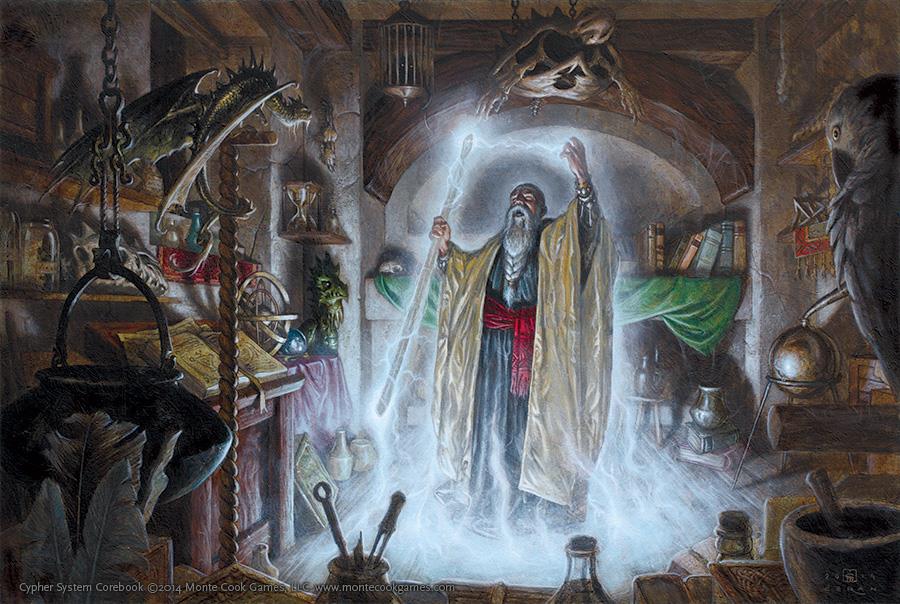
“I ran a game of Numenera at a convention once, and at the end of the whole adventure there was an angry mob of villagers that was going to come because of what the players had done,” Ryan said. “The player of the Speaker character stood up and gave this rousing speech and then they picked up their d20 and rolled a four. But instantly that player said, ‘I spend an XP and reroll,’ and then he rolled an 8. Then somebody else had XP and said, ‘I’ll throw an XP in for that person,’ and then he rolled a 20. The adventure had this rousing conclusion that was super memorable.”
What is a cypher?
A cypher is a unique, single-use item or ability that grants a temporary but often powerful effect within the Cypher System. These can take many forms-mysterious dev
The Cypher System takes its name from cyphers, items first imagined as bits of lost technology found in Numenera that have since been reflavored to anything with limited uses, from a magic potion to a bomb to the blessing of a nature spirit. Players can only carry a few cyphers on them at any given time, and you’re likely to gain new ones by exploring or defeating foes, meaning you need to use the ones you have or lose out.
“You’ve always got the standard character abilities that you’ve picked for your character, and then you’ve got a couple slots where ability is always changing,” Ryan said. “That encourages creativity.”
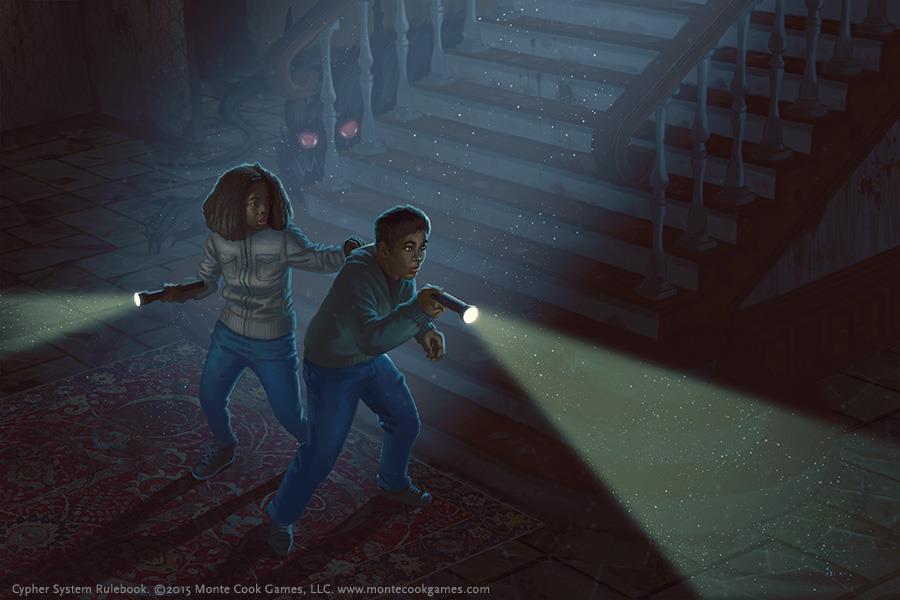
The one-use nature of cyphers also allows them to be less balanced than equipment that will stick around.
“Who cares if it has a big effect or a small one?” Ryan said. “If it has a huge effect on that one adventure, it doesn’t throw the whole game out of balance. It just created a really cool dramatic moment. If it has a small effect, that’s fine too, because they’ll just use it and they’ll replenish it.”
What do you need to play Cypher?
To play Cypher, you only need the Cypher System Rulebook, some dice-typically a set of standard polyhedrals-a character sheet, and a few index cards for tracking cyphers and notes. One player serves as the Game Master, guiding the story and challenges, while the others take on the roles of characters shaped by Descriptors, Types, and Foci. The group’s imagination fills in the rest, making the game easy to begin with minimal setup and endless creative potential.
All you need to play Cypher is the Cypher System Rulebook and a set of dice, though depending on the setting or genre you’re interested in you might want to check out some other books. Numenera remains the most popular Cypher setting, but other options include Stay Alive! for horror, Claim the Sky for superheroes, and The Stars Are Fire for science fiction. Because the system is the same across books, you can freely mix and match if you want to have space horror or superheroes fighting an alien invasion.
“They really go in-depth,” Ryan said. “The Godforsaken fantasy book talks about whether you want to run Terry Pratchett-style humorous fantasy or classic high fantasy or gritty stuff and every sort of element of the genre you would want to explore.”
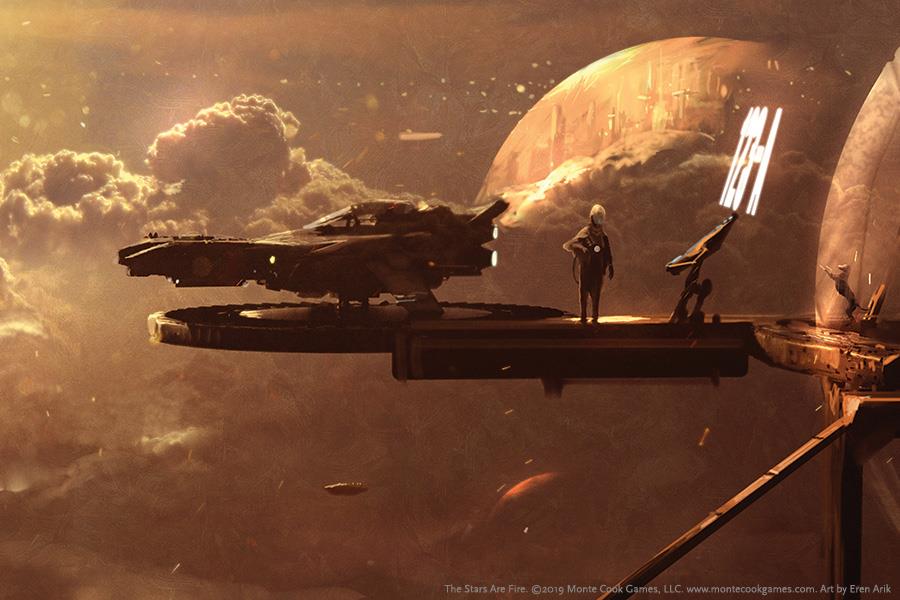
Late backers are still being accepted for the highly successful BackerKit campaign for Adventures in the Cypher System, which includes a deluxe version of the core rulebook plus a bestiary, adventure book, and new post-apocalyptic and fantasy setting books. Every pledge includes a PDF of the Cypher System Rulebook so you can start reading up before everything else is released early next year.
If you need advice or are looking to join a game, you can join the highly active Cypher Unlimited Discord server. Streamers such as Mr. Tarrasque, who once specialized in D&D, have been making content for Cypher along with other games since the proposed OGL revisions. Cypher added its own open gaming license last year, so expect the number of books using the system to continue to grow alongside Monte Cook’s upcoming releases, which include adaptations of the horror podcasts Old Gods of Appalachia and The Magnus Archives.
“I think seeing the Cypher engine drive different games will expose it to different audiences who will really enjoy it,” Ryan said. “There’s nothing more gratifying for somebody who’s involved in the creation of games than to see people playing and enjoying their games.”
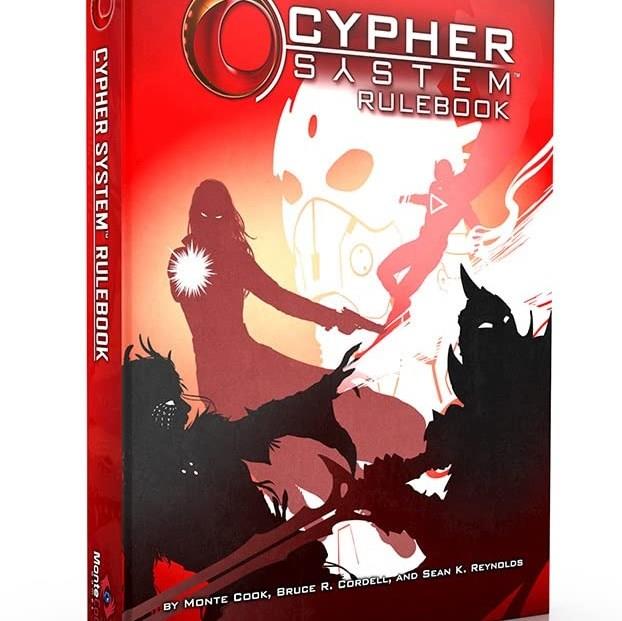
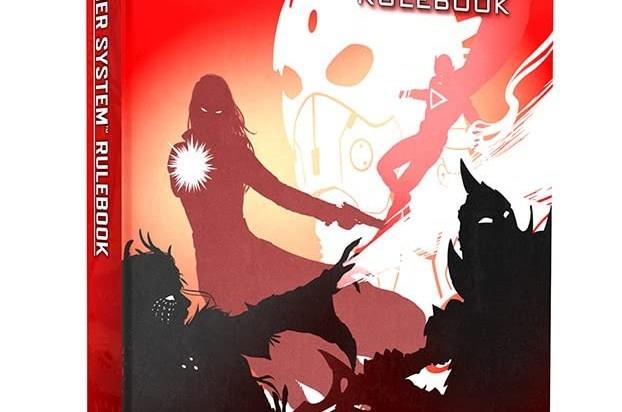
Cypher System Rulebook 2e
$23 $23 $70 at Monte Cook Games (physical)$23 at Monte Cook Games (digital)$70 at Amazon (physical)
How do descriptors types and focuses work in the Cypher System
In the Cypher System, characters are defined by a simple phrase: “Descriptor + Type + Focus” (e.g., “Clever Glaive who Entertains”), which shapes their stats, abilities, and role across genres. Each element modifies stat Pools (Might, Speed, Intellect), provides skills or edges, and unlocks tiered powers as characters advance from Tier 1 to 6.
Descriptors
Descriptors are adjectives like “Strong,” “Charming,” or “Sleek” that flavor your character and provide immediate bonuses.
-
They boost one stat Pool (e.g., +4 Intellect for “Intelligent”), often grant trained skills (e.g., all interactions with machines for “Mechanical”), and may add hindrances or flavor like reduced recovery in other Pools.
-
Descriptors ensure no two characters feel identical, even with the same Type and Focus, by emphasizing personality or physical traits.
Types
Types represent your core role, such as Glaive (warrior), Nano (caster), Jack (versatile), or Arkus (leader), determining your primary stat Pool, combat training, and starting gear.
-
Each Type sets base Pools (e.g., Glaive gets +6 Might), Edge (efficient stat use), and Effort (ability investment), plus recovery rolls to regain Pool points.
-
Types handle baseline actions like fighting or exploring, with genre tweaks (e.g., a modern “Delve” for investigators).
Focuses
Focuses are unique verbs like “Commands Mental Powers,” “Fuses Flesh and Steel,” or “Exists in Two Places at Once,” providing special abilities unlocked per tier.
-
Tier 1 offers a starting power, connection to another PC (e.g., “That PC is immune to your abilities”), and gear; higher tiers add Actions (costs Effort, rolled) or Enablers (passive boosts).
-
Focuses define your “superpower,” scaling dramatically (e.g., Tier 6 might enable mind control or multiplicity), and are genre-flexible.
How They Interact
Together, they create balanced, narrative-driven characters: a descriptor tweaks stats, Type provides foundation, and Focus adds flair-spend XP from discoveries or intrusions to advance Tiers and choose new abilities. This system keeps play fast, as everything funnels into unified task resolution (rate difficulty 1-10, apply assets/Effort, roll d20).
How does choosing a Focus affect starting equipment
In the Cypher System, choosing a Focus provides specific starting equipment tailored to its theme, complementing the gear from your Type and Descriptor. Each Focus lists 1-2 pieces of moderate or odd gear (like a personal med-kit for “Fuses Flesh and Steel” or a deck of influence cards for “Entertains”) alongside its Tier 1 ability and PC connection.
Equipment Sources
-
Type: Supplies core gear (e.g., Glaive starts with weapons/armor, Nano with an artifact).
-
Descriptor: Adds minor items (e.g., “Tough” gives extra armor).
-
Focus: Delivers flavorful, genre-bending items (e.g., “Masters Weaponry” grants a special weapon; “Carries a Quiver” provides a cypher-loaded bow).
Interaction Rules
All starting gear stacks without direct overlap or replacement-total loadout combines everything for a flexible kit (weapons, armor, cyphers, odds & ends). GMs may adjust for setting (e.g., swap medieval sword for a laser pistol in sci-fi), but Focus items enhance roleplay and tie into abilities. Limits apply: one heavy weapon max, 2-4 cyphers, and encumbrance by Pool reductions.
